 The Lingling-o: History, Interpretation, and the Search for Evidence
  The Kankana-ey Calendar: A Timeless Symphony of Nature and Culture
 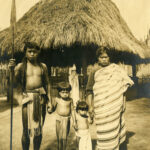 Igorots: The so-called savages of the Cordilleras
  Od-odio, the Narra Tree Song
  Baguio Creatives finding ways to rise above Pandemic
  Baguio City Creative Christmas Trees
  How a wooden spoon started a creative village
  The Sagada Way
  The Mountain Trail Thrill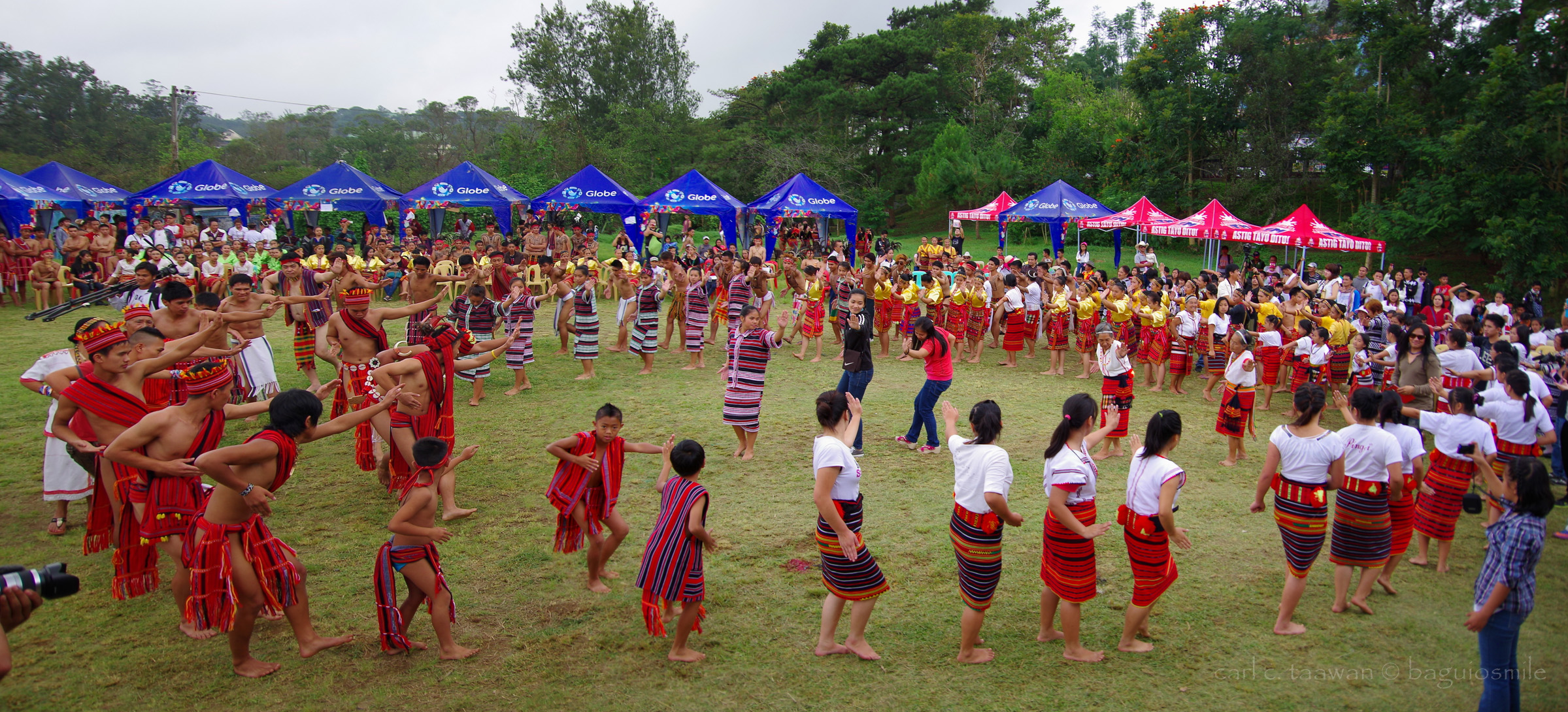

In many parts of the Philippines, the word Igorot has long been used as a derogatory term. In Philippine Studies, published by Ateneo de Manila University, historian William Henry Scott wrote that former Representative Luis Hora of the Third District of the old Mountain Province sought to prohibit the use of the word Igorot through a House bill he introduced in 1958.
Although the bill did not prosper, it raised important questions about the people to whom the name belongs. More than six decades later, those questions remain. Who are the Igorots, and do they want to be called by that name?
In his journal, Scott quoted Dr. Trinidad Pardo de Tavera, a Tagalog scholar of the early twentieth century, who explained that the word Igorot was derived from the root word golot, meaning “mountain chain” or “mountain range,” and the prefix i-, meaning “people of” or “dwellers in.”
According to Scott, golot was an old word used by the Bago or Bagbag-o people, an ethnolinguistic group living along the fringes of the Ilocos provinces. The term referred to the people of the mountains and was later adopted by the Ilocanos before eventually appearing in Spanish records. Scott noted that the expression Nagapodad Golot (“They came from Golot”) could still be heard when referring to people arriving from the mountains.
Scott quoted Dr. Pardo de Tavera, who wrote:
“The word Igolot, therefore, appears to be of perfectly indigenous Filipino origin, and it is in this form that it first appeared in Spanish records. The substitution of R for L in the word did not become popular until the eighteenth century when Antonio Mozo used the word in his 1763 Noticia Historico-Natural, changing the letter L into the letter R.”
Scott further noted that “the name was imposed on the mountaineers by American authority in the present century in accordance with the American ethnological surveys.” Over time, however, the peoples of the old Mountain Province, particularly those of Benguet, Bontok, Ifugao, Apayao, and Kalinga, gradually embraced Igorot as a collective identity that distinguished them from other ethnolinguistic groups in the Philippines.
Time has not changed much since Representative Hora introduced his bill. Even today, some people from the Cordillera refuse to identify themselves as Igorots, arguing that their ancestors never called themselves by that name. Others reject it because of the derogatory meaning that some lowland Filipinos have attached to the term. Instead, they prefer to be called Cordilleran.
However, Cordillera is itself a Spanish word meaning “mountain range.” It is a geographical term used in many parts of the world and is not indigenous to the Philippines. As a collective identity, it does not uniquely distinguish the indigenous peoples of the country’s northern highlands.
Igorot, on the other hand, remains the closest known indigenous-derived collective term for these culturally distinct peoples. Yet even among the communities it seeks to represent, there is still no complete consensus.
If there can be no agreement on Igorot as the collective identity, then perhaps the conversation should move toward finding another locally rooted term that all the peoples of the Cordillera can embrace.
So what should be the proper collective name for the distinctive peoples of these mountain ranges, or golot? Many have already embraced Igorot and have worked to reclaim the name by removing its negative connotations. Organizations, cultural advocates, scholars, and community leaders have proudly carried the name and helped reintroduce it to the world as a symbol of identity, resilience, and heritage.
Whether all highland peoples ultimately accept the term or not, Igorot has become deeply rooted in history, scholarship, and public consciousness. The debate over the name may continue, but so too will the continuing effort of many to define it not by prejudice or misunderstanding, but by the rich history, cultures, and traditions of the peoples it has come to represent. Carl C. Taawan











One thought on “Igorots: The People Behind the Name”